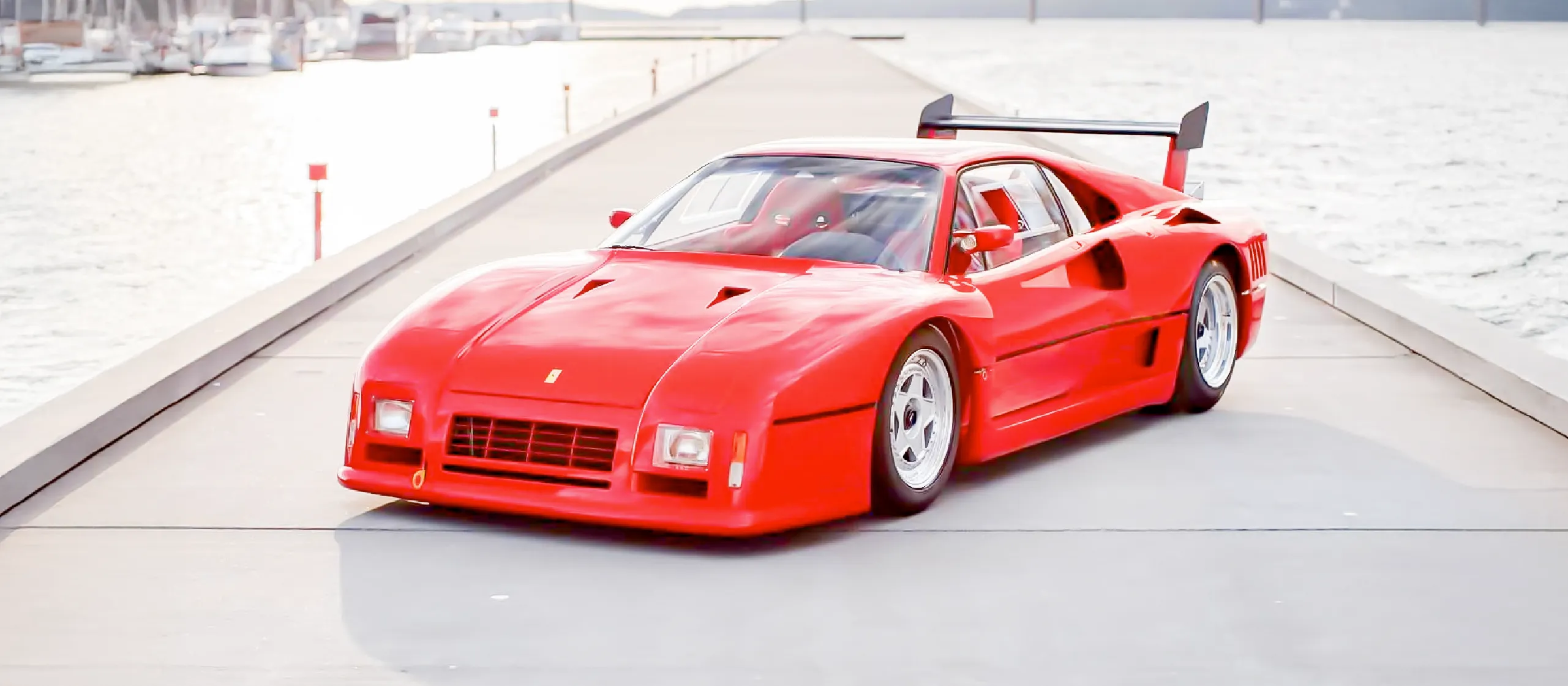

Ferrari’s path has seldom crossed that of rally racing, as the brand has traditionally favored road and track competitions over rough terrain. Still, there have been some notable exceptions, including its participation in the 1966 Monte Carlo Rally and several World Rally Championship events during the late 1970s and early 1980s with the 308 GTB Group 4.
When regulations evolved in the mid-1980s with the introduction of Group B, many car manufacturers saw rallying as a fresh opportunity to showcase their technology to an increasingly passionate audience. Ferrari joined this wave by reworking the trusted 308 into a truly competitive car, aiming to build the required 200 units needed for homologation under the new rules.
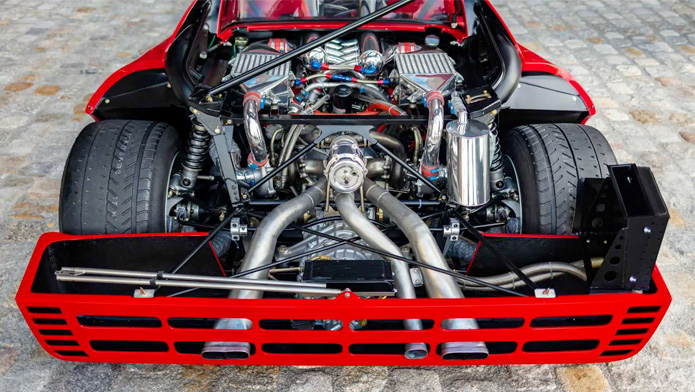
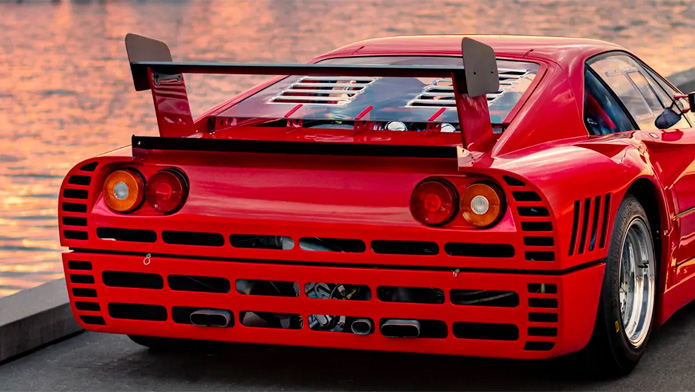
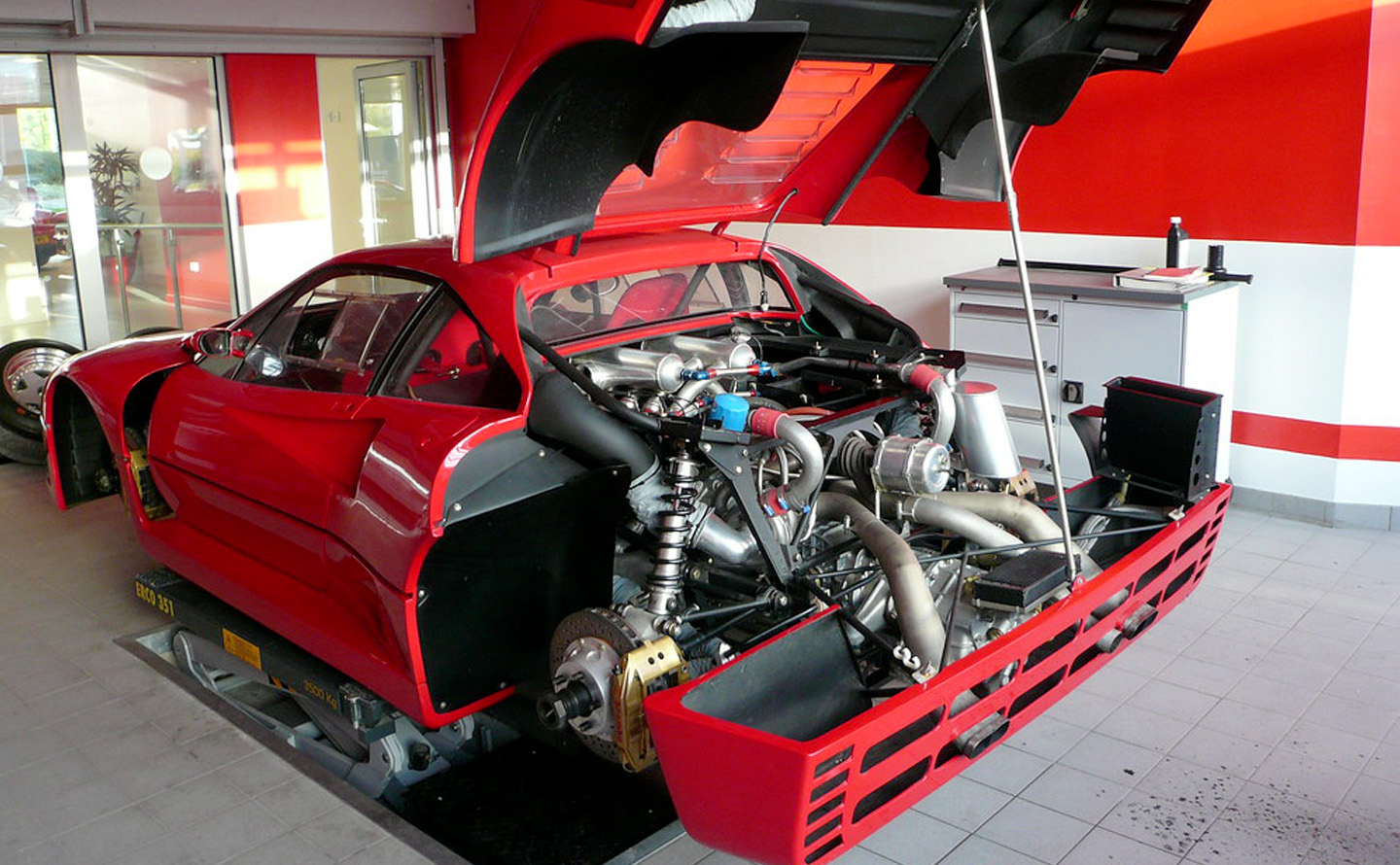
Many technical components and design choices made the car vastly different from the original 308. The new 288 GTO featured a longitudinally mounted engine with a rear overhang gearbox, and two turbochargers that allowed the 2.8-liter engine – meeting the Group B displacement limit – to compete against the top-tier supercars ready to tackle both gravel and tarmac.
Unfortunately, this remarkable car never had the chance to prove its worth. A series of fatal accidents during the 1985 and 1986 rally seasons led to sudden regulatory changes, cutting short its racing future.
The 288 GTO remained an exotic and highly desirable limited edition model, quickly becoming a favorite among discerning collectors and consistently gaining value over the years.
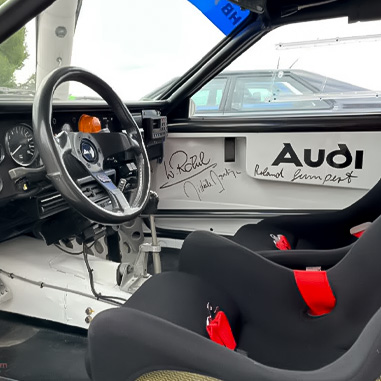
Ferrari, however, didn’t stop there. The company immediately began developing a race-ready version of the GTO, intending to build the 20 variants needed for homologation. The twin-turbocharged engine, which produced 400 horsepower in the road-going model, was tuned to deliver 650 in the GTO Evoluzione, with even higher output in qualifying trim. The body, redesigned with extensive wind tunnel testing, was made entirely of composite materials, and the stripped-down interior was designed purely for racing.
Production began between 1984 and 1985, but as it became clear the cars would never be eligible to race, the project was halted after just five units were completed (the last ones in 1988).
All but one went to private collectors. One example remained at the factory. Though the GTO Evoluzione never saw competition, it played a crucial role as the foundation for one of Ferrari’s most iconic supercars: the legendary 1987 F40, the final model approved by Enzo Ferrari himself.